
Reliable inline measurement system for continuous color and absorbance monitoring in industrial processes.
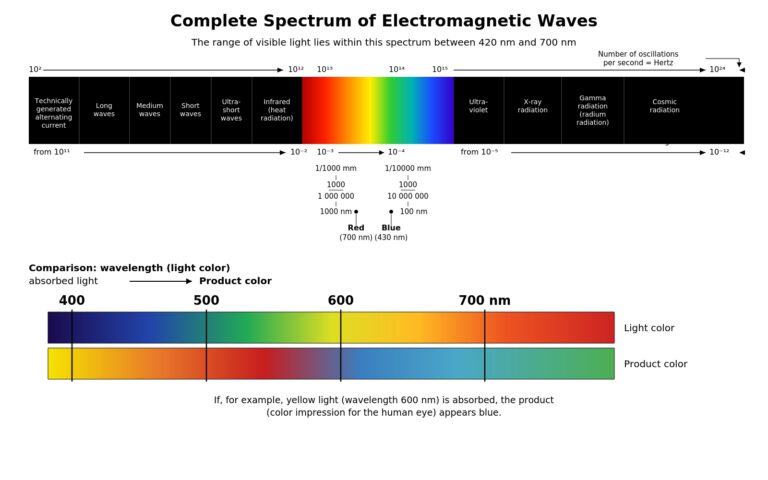
Suspended solids (turbidity) absorb light in the same way as color. The difference is that color absorbs only specific regions of the visible spectrum, where suspended solids absorb light across the entire spectrum. Therefore, color measurement is performed at two different wavelengths. The measurement channel detects the absorbance caused by both color and suspended solids, while the reference channel primarily measures the absorbance caused by suspended solids. By calculating the difference between the two measurement signals, the actual color concentration can be accurately determined.
The COLORsmart-AD model enables reliable inline color measurement of liquids directly within the process. By simultaneously measuring at two different wavelengths, the system delivers highly accurate results while compensating for the effects of turbidity, window contamination, and lamp aging.
The sensor is equipped with long-life LEDs for low-maintenance operation and extended service life. The measuring cell is manufactured from POM as standard but is also available in stainless steel 1.4404 or other materials to suit specific process requirements. Additional material options are available on request, allowing the system to be individually adapted to a wide range of applications.
Suspended solids (turbidity) absorb light in the same way as color. The difference is that color absorbs only specific regions of the visible spectrum, whereas suspended solids absorb light across the entire spectrum. Therefore, color measurement is performed at two different wavelengths. The measurement channel detects the absorbance caused by both color and suspended solids, while the reference channel primarily measures the absorbance caused by suspended solids. By calculating the difference between the two measurement signals, the actual color concentration can be accurately determined.
The COLORsmart-AD model enables reliable inline color measurement of liquids directly within the process. By simultaneously measuring at two different wavelengths, the system delivers highly accurate results while compensating for the effects of turbidity, window contamination, and lamp aging.
The sensor is equipped with long-life LEDs for low-maintenance operation and extended service life. The measuring cell is manufactured from POM as standard but is also available in stainless steel 1.4404 or other materials to suit specific process requirements. Additional material options are available on request, allowing the system to be individually adapted to a wide range of applications.
The C1 Signal Amplifier is compatible with most optical sensors from the Monitek and Chemtronic product ranges. System configuration and calibration are performed via a Windows PC or laptop using intuitive menu-driven software. Calibration can be carried out using one or multiple reference samples. All configuration settings and calibration data can be saved externally on the computer, allowing easy backup, restoration, and transfer between systems.
The Messenger Signal Amplifier is compatible with all optical sensors from the Chemtronic and Monitek product ranges. It allows up to four single-channel sensors to operate simultaneously, while also supporting the independent operation of different sensor types. Individual measurement signals can be freely linked, making the system ideal for applications such as automated dosing control.
Configuration is carried out via a PC or laptop using intuitive menu-guided software. As an option, the Messenger is available with an integrated Panel PC, providing a complete standalone solution for industrial process monitoring and control.
Benefit from more than 50 years of experience, field-proven measurement technology and personal consultation. Together, we will find the right solution for your application. Visit our contact page and tell us about your project to receive a non-binding quotation.